
A thank-you card does not need perfect poetry. It needs one true detail.
“Thank you for everything” is kind, but “Thank you for bringing dinner on Tuesday and staying long enough to make me laugh” is memorable. Specificity turns a polite note into a small record of what someone did and why it mattered.
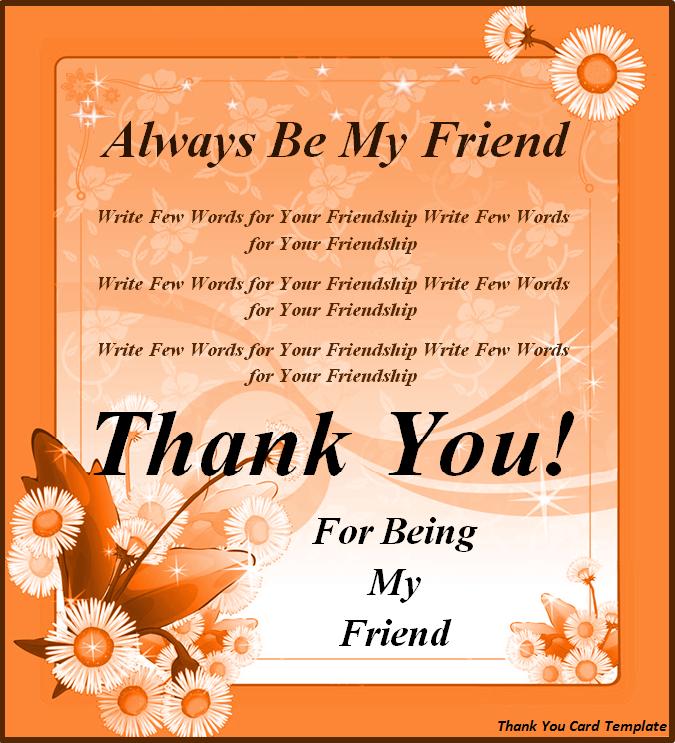
This free thank you card template for Microsoft Word gives you an editable, printable starting point for personal and professional appreciation. Use it after a gift, interview, wedding, funeral, birthday, meal, act of kindness, customer purchase, referral, volunteer shift, teacher support, workplace contribution, or any moment that deserves recognition. The card provides the design; the message ideas below help you make it yours.
A Simple Formula That Rarely Feels Formulaic
When the blank card feels intimidating, use four parts:
- Address the person naturally.
- Name the gift, help, time, or gesture.
- Explain its effect or meaning.
- Close in a way that fits the relationship.
Here is the formula in action:
Dear Lina, thank you for helping us settle into the new house. The labeled kitchen boxes saved us hours, and the flowers made the first evening feel like home. We are lucky to have you nearby. With love, Mara and Joel
The note is warm because it contains evidence, not because it uses elaborate language.
How Long Should a Thank-You Message Be?
Three thoughtful sentences can be enough. A larger gesture or close relationship may invite a longer message, while a workplace note may be brief and precise. Let the size of the card and the nature of the relationship guide you.
If you keep repeating the same idea, stop. Gratitude loses force when padded with generic praise.
Thank You for a Gift
Mention the gift by name and, when genuine, say how you will use or enjoy it.
Thank you for the beautiful blue serving bowl. We used it at Sunday lunch, and it looked wonderful on the table. It was thoughtful of you to choose something that fits our home so well.
If money was given, you do not need to state the amount. Mention its intended use when appropriate:
Thank you for your generous graduation gift. I am putting it toward the laptop I will need for university, and I truly appreciate your encouragement as I begin this next chapter.
If the gift is not quite right, focus honestly on the giver’s thought and the occasion. Avoid inventing enthusiasm about features you do not like.
After a Wedding
Wedding thank-you cards may recognize a gift, attendance, travel, practical help, hosting, or participation in the ceremony. Personalize each message rather than changing only the name.
Dear Sam and Noor, thank you for celebrating with us and for the coffee maker. We have already made it part of our slow Sunday mornings. It meant so much that you traveled to be there.
For someone who helped behind the scenes:
Thank you for keeping everyone calm, fixing the flowers, and making sure we ate something before the reception. Your steady presence was one of the greatest gifts of the day.
After an Interview
Send an interview thank-you promptly, usually by email unless a card is particularly appropriate. Keep it professional and mention a real part of the conversation.
Thank you for speaking with me about the operations coordinator role today. I especially appreciated learning how the team is improving its supplier handoff process. The discussion strengthened my interest in the position, and my experience coordinating cross-team schedules would allow me to contribute quickly.
Do not use the note to pressure the interviewer, exaggerate qualifications, or write a second cover letter. Correct a small omission if useful, then close courteously.
For a Teacher or Mentor
Teachers and mentors often value hearing what changed because of their effort.
Thank you for teaching me how to approach difficult problems without panicking. Your feedback on my early drafts was patient and specific, and I can see the difference in my writing now.
A parent writing to a teacher might say:
Thank you for noticing that Amir was struggling to join group work and for giving him a gentle way in. He now talks about science class with confidence, and we are grateful for your care.
Follow school rules concerning gifts. A sincere note may be more appropriate than something expensive.
For Help During a Difficult Time
Grief, illness, caregiving, job loss, and emergencies can make correspondence difficult. A short, delayed note is still meaningful. You do not owe a polished performance.
Thank you for bringing meals after my surgery and for leaving them quietly when I needed rest. Your kindness made a hard week much easier.
Thank you for being with us after Dad died. I may not have said much at the time, but your calm company and practical help meant more than I can express.
If writing individual notes is overwhelming, use a shared base message and add one personal sentence where possible. Ask someone trusted to help with names and addresses.
For Hospitality
Mention the experience you enjoyed rather than merely saying “thanks for having us.”
Thank you for such a relaxed dinner. The lemon tart was wonderful, but I especially loved sitting on the balcony and catching up without watching the clock. We would love to return the invitation soon.
For an overnight stay, recognize preparation, comfort, meals, transport, or time the host gave you.
For a Colleague
Workplace gratitude should be specific, proportional, and professional. Credit the actual contribution.
Thank you for stepping into yesterday’s client call with almost no notice. Your explanation of the testing results was clear, and it helped the group agree on the next step.
Avoid language that could embarrass the recipient or imply that unpaid extra work is always expected. When someone’s contribution affects performance recognition, make sure the appreciation also reaches the appropriate manager through the proper channel.
For Employees and Teams
Generic mass praise often feels empty. Name the effort, constraint, and result.
Thank you for handling the weekend system change with care. The preparation, handoff notes, and early escalation of the access problem kept customer disruption to a minimum.
Appreciation does not replace fair pay, time off, safe working conditions, or formal recognition. Use the card as genuine acknowledgment, not compensation for an unsustainable workload.
For Customers and Clients
A business thank-you note can be warm without sounding promotional.
Thank you for trusting us with your studio renovation. Your quick decisions and thoughtful feedback made the project easier to coordinate. We hope the new space serves your team well.
For a first purchase:
Thank you for your first order from our small workshop. Each piece is packed by our team, and we hope the desk organizer makes your workday a little calmer.
Do not insert an aggressive sales pitch into a gratitude card. If you include a discount or invitation, keep appreciation as the main purpose.
For Volunteers and Donors
Explain the contribution’s impact without exaggerating it.
Thank you for spending Saturday sorting and packing school supplies. Your four-hour shift helped the team prepare 86 kits for distribution next week.
Charitable organizations should follow applicable rules for donation acknowledgments and tax receipts. A thank-you card can express appreciation, but it may not satisfy formal documentation requirements.
For a Referral or Recommendation
Thank you for introducing me to Elena at North Street Studio. We had a productive conversation and are exploring a small project together. I appreciate you putting your reputation behind the introduction.
Let the person know the outcome when appropriate. It closes the loop and shows their effort mattered.
When You Are Thanking a Group
Name the group and highlight a shared contribution. If some people did substantially different work, add handwritten notes or separate cards.
To the library event team: thank you for welcoming every family so warmly. From setting up the craft tables to helping first-time visitors find their way, you made the afternoon feel easy and inclusive.
Closings That Fit Different Relationships
Your closing should sound like you. Options include:
- With love
- Love always
- Warmly
- With gratitude
- Gratefully
- With appreciation
- Best wishes
- Kind regards
- Sincerely
- Many thanks
“Sincerely” may feel stiff for a sibling and perfectly suitable for a professional contact. Match the relationship rather than choosing the most formal phrase.
What to Write When the Thanks Is Late
Send the note anyway. A brief acknowledgment is enough:
This thank-you is overdue, but my appreciation is not. The blanket you made has been beside the reading chair all winter, and I think of you whenever I use it.
Do not spend half the card apologizing. Recognize the delay, express the thanks, and move forward.
Handwritten, Printed, or Digital?
A handwritten message feels personal and works well for gifts, hospitality, sympathy support, and close relationships. A printed card is useful for groups, organizations, or people who find handwriting difficult. Email is often appropriate for interviews, quick professional thanks, remote teams, and time-sensitive situations.
Accessibility matters more than etiquette traditions. Use large readable type, strong contrast, plain language, or a digital version if the recipient needs it. A message that can be read is more thoughtful than one that follows a convention.
Designing the Card in Word
Open the downloaded template and save an original copy before editing. Replace the sample message, adjust colors and fonts, and add a photo or logo only if it supports the occasion. Keep body text large enough to read and leave enough space for a handwritten signature or personal sentence.
Print one test sheet before making multiple copies. Check:
- Page orientation and folding direction
- Front, inside, and back placement
- Printer margins
- Color and image quality
- Spelling of names
- Paper thickness supported by the printer
Cardstock usually feels more substantial than ordinary paper, but confirm what your printer can handle. Use envelopes sized for the finished fold.
Keep Personalization Manageable
If you need many cards, create a base message for each recipient group and add one specific sentence to every card. Keep a checklist with names, addresses, gifts or contributions, date sent, and any follow-up. Protect personal information and do not include sensitive details in a card that others may see.
Messages to Avoid
Do not compare gifts, mention price, demand future favors, or turn gratitude into guilt. Avoid jokes that may be misread and compliments that do not fit the relationship. In professional notes, do not disclose confidential information or overstate results.
The safest test is simple: would the recipient feel accurately seen and comfortably appreciated?
Download Your Thank You Card Template
Preview the editable card design below, then download the Microsoft Word file. Add a message in your own voice, print a test copy, and finish with one detail only you could have written.

Thank You Card FAQs
What should I write in a thank-you card?
Name the gesture or gift, explain why it mattered, and close naturally. One specific detail makes even a short note personal.
How soon should I send it?
Prompt is ideal, especially after an interview, but a late sincere note is still worth sending. Do not abandon gratitude because the perfect date passed.
How long should the message be?
Three thoughtful sentences may be enough. Use more space when the relationship or gesture calls for a fuller reflection.
Should I mention money in a thank-you note?
You can call it a generous gift and say how you plan to use it. Usually there is no need to repeat the amount.
Can I type the message?
Yes. Typed notes are practical and accessible. Add a handwritten signature or short line if that suits you and the recipient.
What if I did not like the gift?
Thank the giver honestly for thinking of you and acknowledge the occasion. Do not invent detailed praise that is untrue.
Is email acceptable after an interview?
Yes. Email is timely and standard in many workplaces. Refer to a specific part of the conversation and keep the message concise.
How do I thank several people?
A group card can recognize shared work. Send separate or personalized notes when contributions were distinct or substantial.
Can businesses use this template?
Yes. Adapt it for customers, employees, clients, referrals, volunteers, or event participants while protecting private information.
Is the thank you card template free?
Yes. Download and personalize the editable Word card for legitimate personal, workplace, school, or community use.