
You step out of a cab, reach for your wallet, and then remember that accounting will not reimburse the ride without proof. That small moment is exactly why a clear taxi receipt template matters. It turns an ordinary fare into a documented business transaction, giving the passenger a usable expense record and the driver a professional record of the trip.
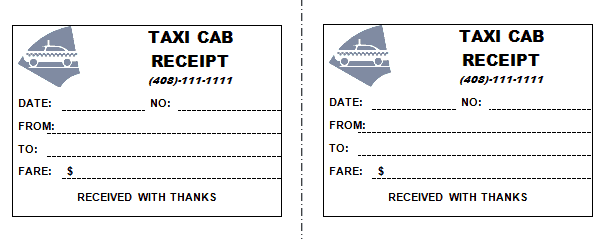
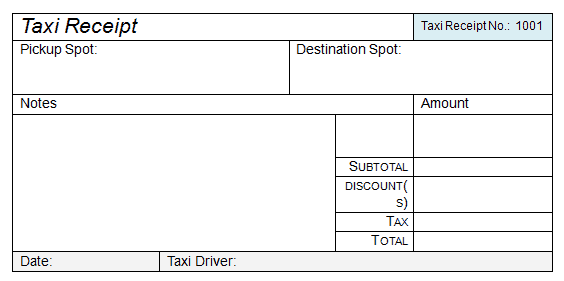
Below you can download two editable taxi receipt templates in Microsoft Word. They are suitable for independent taxi drivers, cab companies, chauffeur services, airport-transfer operators, and passengers who need a properly completed receipt for an expense claim. Each template can be customized with a business name, contact details, trip information, fare breakdown, payment method, and driver signature.
The Short Version: What a Taxi Receipt Does
A taxi receipt confirms that a passenger paid for transportation. It normally identifies the driver or taxi company, records the date and route, and shows the amount collected. Unlike a handwritten note with only a price, a complete cab receipt gives both parties enough information to recognize the trip later.
For a passenger, it may support a travel-expense report, client billing, project-cost record, or reimbursement request. For a driver, it can help organize daily revenue, answer a customer’s question, and present the service more professionally. A receipt does not replace any tax, licensing, or bookkeeping records required in your location, but it can be an important part of them.
Who Can Use These Taxi Receipt Templates?
The templates are flexible enough for more than a traditional street taxi. They can be adapted for:
- Independent taxi and cab drivers
- Local taxi fleets and dispatch companies
- Airport pickup and drop-off services
- Hotel transportation providers
- Corporate car and chauffeur services
- Private-hire and pre-booked vehicles
- Shuttle and community transport operators
- Event transportation providers
- Passengers reconstructing a receipt with the driver’s confirmation
If your city or transportation authority requires an official receipt format, license number, tax number, or machine-generated record, add those fields or use the mandated system. The downloadable form is a general business template and should be adjusted to local requirements.
What Information Should Be on a Taxi Receipt?
A receipt should be detailed enough to answer three simple questions: who provided the ride, what trip was taken, and how much was paid. The exact fields can vary, but the following information creates a reliable record.
Taxi Company or Driver Details
Start with the trading name of the taxi company or the driver’s business name. Add a telephone number, email address, business address, website, or dispatch contact when applicable. If local rules require a driver number, vehicle permit, tax registration number, or operator license, give it a dedicated field instead of squeezing it into the notes area.
Receipt Number
Give every receipt a unique reference. A simple sequence such as TR-0001, TR-0002, and TR-0003 makes receipts easier to file and locate. Drivers who operate more than one vehicle can include a vehicle code, while companies with several drivers can add driver initials or an employee number.
Date and Time
Record the trip date and, when useful, the pickup and drop-off times. Time is especially helpful for airport transfers, late-night fares, scheduled rides, and business expense reports where the traveler must connect transportation to a meeting or flight.
Pickup and Destination
Enter the pickup point and destination. A street address is ideal, but a recognized location such as an airport terminal, hotel, station, hospital, or conference center can be sufficient when a complete address is unavailable. Avoid writing sensitive personal information that is not needed for the transaction.
Passenger or Customer Name
A passenger name is useful for corporate bookings and reimbursement claims, although it may not be necessary for every cash fare. For a ride arranged by a business, include the company name or account reference if requested.
Fare Breakdown
Show how the total was calculated rather than writing one unexplained figure. Depending on the service, the breakdown might include:
- Metered or agreed base fare
- Distance or time charge
- Waiting time
- Airport, toll, parking, or booking fees
- Extra luggage or additional-stop charges
- Discounts
- Applicable tax
- Tip or gratuity, if separately recorded
- Final amount paid
Not every ride needs every line. Keep only the fields that match the way the fare is actually charged.
Payment Method
Indicate whether the passenger paid by cash, card, bank transfer, company account, mobile wallet, voucher, or another method. Never write a complete card number on a receipt. If a payment reference is needed, use only a safe shortened identifier supplied by the payment system.
Driver Confirmation
A printed driver name, signature, stamp, or initials can confirm who accepted the payment. Digital receipts may use the driver’s account details or an electronic confirmation instead of a handwritten signature.
A Realistic Taxi Receipt Example
Imagine that a consultant takes a taxi from Central Station to the Riverside Conference Centre for a client meeting. The fare is $31, a toll adds $4, and the passenger leaves a $5 tip. A useful receipt could be completed like this:
- Receipt number: TR-1048
- Date: September 22, 2026
- Pickup: Central Station
- Destination: Riverside Conference Centre
- Base fare: $31.00
- Toll: $4.00
- Tip: $5.00
- Total paid: $40.00
- Payment method: Corporate card
- Business purpose: Client meeting
The taxi receipt should show the transportation charge accurately. The traveler can add the business purpose to the employer’s expense form if it does not belong on the driver’s receipt.
How Drivers Can Build a Simple Receipt Routine
A good form is most useful when it becomes part of a repeatable routine. Before starting a shift, keep several printed copies in the vehicle or save an editable version that can be completed digitally. Number receipts in advance if that fits your bookkeeping method.
After each requested receipt:
- Confirm the date, route, and fare.
- Enter additional charges individually.
- Write the total clearly.
- Mark the payment method.
- Add the driver or vehicle reference.
- Give the customer a clean copy.
- Retain a duplicate or digital record when required.
At the end of the shift, compare the receipts with meter totals, dispatch records, card transactions, and cash collected. This small habit can make month-end bookkeeping considerably easier.
Using a Taxi Receipt for Business Reimbursement
Passengers should ask for the receipt at the end of the ride, while the details are still easy to confirm. Check that the date, total, and provider information are readable before leaving the vehicle. If the employer needs a project code, client name, or reason for travel, add that information to the expense report rather than asking the driver to guess it.
Some organizations require an original receipt; others accept a scan, photograph, or emailed copy. Follow the employer’s travel policy and submit the expense before the deadline. If a receipt is lost, contact the taxi company or driver for a replacement instead of creating an unsupported record. A replacement should reflect the actual trip and payment.
Word Template or Excel Template: Which Is Better?
A Microsoft Word taxi receipt template works well when you want a polished form that is easy to print, type into, or convert to PDF. It is a practical choice for drivers who issue receipts individually and do not need automatic calculations.
An Excel cab receipt template is useful when fares contain several calculated lines or when the same workbook also tracks daily trips. Formulas can total charges automatically, but the printing layout may require more setup.
For a small operation, either format can work. Choose the one your staff can complete consistently. A beautiful spreadsheet that no one understands is less useful than a simple Word receipt that is filled out correctly every time.
Customization Ideas for a Professional Result
The downloadable forms are intentionally straightforward, leaving room for your own branding and operating details. A few careful changes can make the receipt feel like part of a real business rather than a generic form.
- Place the taxi company logo at the top.
- Use one readable brand color for headings and borders.
- Add the dispatch number where passengers can find it quickly.
- Include driver, vehicle, plate, or permit fields when required.
- Add a QR code that leads to the official booking page or contact page.
- Include a short thank-you line without crowding the fare details.
- Use a currency label if customers may travel internationally.
- Leave enough writing space for pickup and destination details.
- Protect fixed labels in the master file to prevent accidental changes.
Print one test copy after editing. Check that borders are visible, text does not wrap awkwardly, and the receipt remains readable at its intended size.
Common Taxi Receipt Mistakes
Writing only the total: A passenger’s accounts department may reject a receipt that gives no date, provider, or trip information.
Leaving the receipt unnumbered: Unique references make it easier to answer questions and discourage accidental duplicates.
Mixing the tip into the fare without explanation: Separate amounts when the passenger or company needs to distinguish transportation cost from gratuity.
Using vague routes: “Town to hotel” may not be enough. Use recognizable pickup and destination names.
Showing sensitive payment data: Do not record complete card numbers or unnecessary personal details.
Editing the only master copy: Keep a clean original file so you can create a fresh receipt whenever needed.
Assuming one format satisfies every rule: Local transport, tax, and receipt requirements differ. Confirm what applies to your service.
Keeping Taxi Receipts Organized
Drivers can save completed files using a predictable naming system, such as TR-1048-2026-09-22.docx. Store them by month or accounting period and back up digital records. If paper copies are used, keep them in number order and protect them from heat, moisture, and fading.
Passengers should photograph or scan paper receipts soon after the trip. Add the receipt to the relevant expense report rather than leaving it loose in a wallet. When the cost will be billed to a client, connect it to the correct project record.
Download Two Free Taxi Receipt Templates
Choose the layout that best fits your service. Both files are editable in Microsoft Word. Replace the sample fields with accurate trip and business information, then print the receipt or save it as a PDF. Keep an untouched master copy for future rides.


Taxi Receipt Questions People Often Ask
Is a taxi receipt the same as an invoice?
Not exactly. An invoice normally requests payment, while a receipt confirms that payment was received. Some transportation systems combine fare details and payment confirmation in one document, so the terminology can vary.
Can I use this template for a rideshare trip?
You can adapt the layout for a legitimate rideshare or private-hire record, but app-based services generally issue their own electronic receipts. Use the official receipt when it is available.
Does a taxi receipt need the passenger’s name?
Not for every ride. It is often useful for corporate accounts and reimbursements, but local rules and company policies determine what is required.
Should the tip appear on the receipt?
If the driver received a tip and the passenger needs a record of it, show the tip separately from the fare. Some employers limit reimbursable gratuities, so a clear breakdown helps.
Can the receipt be sent by email?
Yes. A completed Word form can be saved as a PDF and emailed, provided the passenger or organization accepts electronic receipts.
What if the passenger loses a receipt?
The driver or taxi company may issue a replacement after verifying the trip and payment. Mark it as a duplicate when appropriate and never invent details that cannot be confirmed.
How should taxi receipt numbers be created?
Use a consistent sequence that avoids duplicates. Numbers can include a year, vehicle code, or driver code, but the system should remain simple enough to follow.
Do taxi drivers need to keep copies?
Record-retention duties differ by jurisdiction and business type. Drivers should follow applicable transport, accounting, and tax requirements and ask a qualified adviser when uncertain.
Can I add my taxi company logo?
Yes. Replace the placeholder area with a clear logo and keep it proportionate so it does not crowd the fare or trip information.
Are these taxi receipt templates free?
Yes. The two templates on this page can be downloaded and customized for your own legitimate receipt-recording needs.